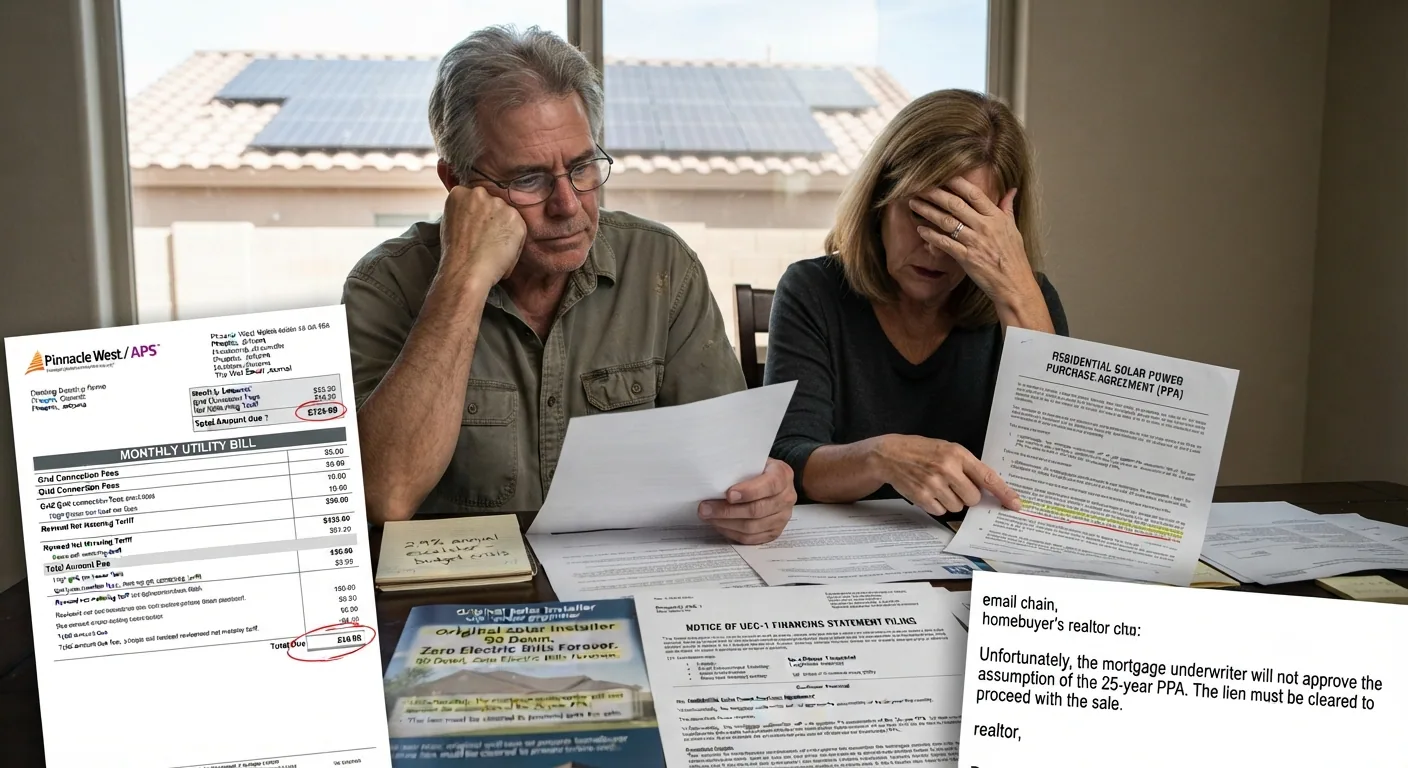
Behind the Rate Hikes: How Central Bank Decisions Impact Mortgages, Debt, and Daily Life

⚠️ Truyện hư cấu phục vụ giải trí. Nhân vật & tình tiết là sản phẩm tưởng tượng.
Have you ever sat down at your kitchen table, looked at your monthly bills, and wondered why everything suddenly feels so much more expensive? You check your gas prices, your grocery receipts, your credit card statements, and your mortgage interest rates, and you realize that keeping up with your daily life has gotten harder. Most of us tend to blame grocery stores, energy companies, or our own spending habits. But behind the scenes, pulling the financial levers that dictate the cost of everything from a loaf of bread to a family home, is a group of unelected officials sitting in quiet, wood-paneled rooms at the central bank. When they make a move, the entire global economy feels the shockwaves. Today, we are going to pull back the curtain on central bank interest rates, macro policy, and how these high-level economic decisions directly hit your everyday pocketbooks.
To understand why your credit card APR is climbing or why buying a car feels like a luxury you can barely afford, we first need to demystify what a central bank actually does. In major economies, whether it is the Federal Reserve in the United States, the European Central Bank, or any other national monetary authority, the central bank acts as the bank for commercial banks. It is the ultimate lender of last resort, and it sets the benchmark interest rate. Think of the benchmark rate as the foundational price of money. It is the interest rate at which commercial banks lend to one another overnight. When the central bank raises or lowers this benchmark rate, it triggers a massive chain reaction across the entire financial system. It is like throwing a heavy stone into the middle of a calm pond; the ripples start at the center and expand outward until they crash against the shoreline of your personal bank account.
Why do central banks mess with these rates in the first place? Their primary mandate is usually twofold: to maintain price stability and to promote maximum sustainable employment. Price stability is just a fancy economic term for keeping inflation under control. When inflation starts running too hot, meaning the prices of goods and services are rising rapidly, the purchasing power of your hard-earned money erodes. To cool down an overheating economy, the central bank uses monetary policy, specifically raising the benchmark rate. By making borrowing more expensive, they hope to slow down economic activity. When loans cost more, businesses think twice before expanding factories or hiring new workers, and consumers think twice before buying new cars or taking out mortgages. This intentional slowdown helps curb inflation, bringing prices back to a stable baseline.
However, this is a delicate, high-stakes balancing act. If the central bank raises rates too fast or keeps them high for too long, they risk tipping the entire economy into a recession. A sudden economic contraction can lead to mass layoffs, business closures, and spiking unemployment rates. On the flip side, if they keep rates too low for too long, inflation can spiral out of control, destroying the value of savings and making everyday essentials unaffordable. Central bankers are essentially tightrope walkers, constantly shifting their weight to keep the economic system balanced between the terrifying twin cliffs of runaway inflation and severe recession.
Let us look at how this macro policy translates into your daily financial life. Consider the commercial retail banking sector. When the central bank hikes its benchmark rate, your local bank does not absorb that cost out of the goodness of its heart. Instead, it passes those higher costs directly on to you, the consumer. This is where we see the immediate consequences on credit card APRs, auto loan qualifications, and adjustable-rate mortgages.
Let us start with credit cards, because they are often the most painful and immediate indicator of rising interest rates. Most credit cards come with variable Annual Percentage Rates that are directly tied to the prime rate, which moves in lockstep with the central bank benchmark rate. When the central bank raises rates by a quarter of a percentage point, your credit card APR typically goes up by that exact same amount within a billing cycle or two. If you are carrying a balance from month to month, that means a larger chunk of your hard-earned payment is going straight toward interest rather than paying down your actual principal debt. Over time, this creates a compounding trap where your debt grows heavier even if your spending habits remain completely unchanged.
Auto loans are another battleground. When you walk into a dealership dreaming of a new car, the monthly payment you are quoted is heavily dependent on prevailing interest rates. In a low-rate environment, financing a vehicle is relatively cheap, and dealerships can dangle low-interest or zero-percent financing incentives to entice buyers. But when the central bank implements monetary tightening, those cheap financing deals dry up. The interest rate on auto loans climbs, increasing your monthly payment significantly for the exact same vehicle. Many consumers find themselves forced to stretch out their loan terms from sixty months to seventy-two or even eighty-four months just to keep the monthly payment manageable, which ultimately means paying thousands of dollars more in total interest over the life of the loan.
Then there is the housing market, perhaps the most emotionally and financially significant arena for everyday families. Mortgages are the cornerstone of consumer debt, and their behavior under shifting central bank policies is dramatic. If you have a fixed-rate mortgage, you are somewhat shielded from immediate rate hikes, because your locked-in rate stays the same for fifteen or thirty years. However, if you are in the market for a new home, rising benchmark rates will hit you like a freight train. Higher mortgage rates dramatically increase the cost of homeownership. Even if home prices themselves do not drop immediately, the monthly mortgage payment for a median-priced home can skyrocket, pricing out countless first-time buyers and freezing the real estate market.
For those holding adjustable-rate mortgages, or ARMs, the impact is even more immediate and stressful. ARMs often start with an attractive, low introductory rate for a few years, after which the rate adjusts periodically based on market benchmarks. When a central bank has been aggressively hiking rates, an ARM holder can experience a sudden, massive jump in their monthly housing payment when their adjustment period hits. This can push families to the brink of financial distress, forcing painful budget cuts or even leading to defaults and foreclosures.
Beyond retail loans, these macroeconomic policies fundamentally alter corporate hiring and consumer spending habits. When borrowing becomes expensive for corporations, their cost of capital skyrockets. Companies rely heavily on credit lines and corporate bonds to fund daily operations, inventory purchases, research and development, and workforce expansion. When those funding sources become costly, corporate executives pull back on ambitious growth plans. They freeze hiring, rescind job offers, and sometimes resort to layoffs to protect their profit margins. This corporate caution trickles down directly to the labor market, making job security feel less certain and wage growth harder to come by for everyday workers.
At the same time, consumer spending habits undergo a profound shift. When borrowing is cheap and asset prices are rising, consumers feel wealthy and confident, fueling a spending boom that drives economic growth. But when interest rates climb, the psychological and financial calculus changes. Consumers feel the pinch in their monthly budgets as debt servicing costs consume a larger share of their income. Furthermore, higher interest rates make saving money much more attractive. When high-yield savings accounts and certificates of deposit start offering decent returns, people are incentivized to hold onto their cash rather than splurge on discretionary purchases. This cooling of consumer demand is precisely what the central bank wants to see in order to tame inflation, but for individual households, it feels like a mandatory belt-tightening exercise.
In a high-interest rate environment, managing your personal finances requires a shift in strategy, particularly when it comes to tackling debt. When the cost of borrowing is low, debt can sometimes be managed casually. But when rates are high, carrying unsecured, high-interest debt becomes an active drain on your financial health. This brings us to the importance of strategic debt prioritization, where consumers must choose between proven payoff methodologies like the debt avalanche or the debt snowball methods.
The debt avalanche method focuses purely on the mathematics of interest. You list all your debts from the highest interest rate to the lowest, make minimum payments on everything, and throw every extra dollar you can spare at the debt with the highest APR. Once that is wiped out, you roll that payment into the next highest rate. In a high-rate environment, the avalanche method is mathematically superior because it minimizes the total amount of interest you pay to lenders, saving you substantial sums of money over time.
Alternatively, the debt snowball method focuses on psychological momentum. You list your debts from the smallest balance to the largest, regardless of the interest rate. You pay off the smallest balance first for a quick psychological win, then roll that payment into the next smallest debt. While you might pay slightly more in total interest compared to the avalanche method, the snowball method provides immediate gratification and behavioral reinforcement, which many people find crucial for staying motivated when dealing with overwhelming financial obligations. Whichever method you choose, taking aggressive control of your debt servicing is essential when macroeconomic winds are blowing against you.
While all of this is happening on Main Street, a parallel drama is unfolding on Wall Street. Whenever a central bank holds a press conference, stock market valuations and bond yields react with lightning speed and intense volatility. Understanding why this happens gives us a clearer picture of the entire economic machine. Bond yields, in particular, serve as a vital barometer of market expectations. When the central bank signals that it will keep interest rates higher for longer to fight inflation, bond yields adjust accordingly. Investors can demand higher yields on government and corporate bonds because safer assets are suddenly paying more.
This creates a ripple effect across the broader stock market. When bond yields rise, fixed-income investments become a more appealing alternative to riskier equities. Investors start moving money out of growth stocks, particularly in sectors like technology where companies rely heavily on future cash flows that are discounted more harshly when interest rates are high. Stock market valuations can experience sharp corrections as analysts reprice companies based on higher borrowing costs and slower projected economic growth. The anxious reaction of Wall Street traders to a single central bank speech is a direct reflection of how deeply intertwined asset prices are with the cost of money.
It is also worth noting the policy tool known as quantitative tightening, which often accompanies rate hikes. While rate hikes are about the *price* of money, quantitative tightening is about the *quantity* of money in circulation. During periods of economic crisis, central banks often engage in quantitative easing, pumping trillions of dollars into the financial system by buying government bonds and mortgage-backed securities. Quantitative tightening is the reverse process. The central bank allows those assets to roll off its balance sheet without reinvesting
Bài viết liên quan

Invisible Branches: How Fintech APIs and Neobanks Are Dismantling Traditional Banking
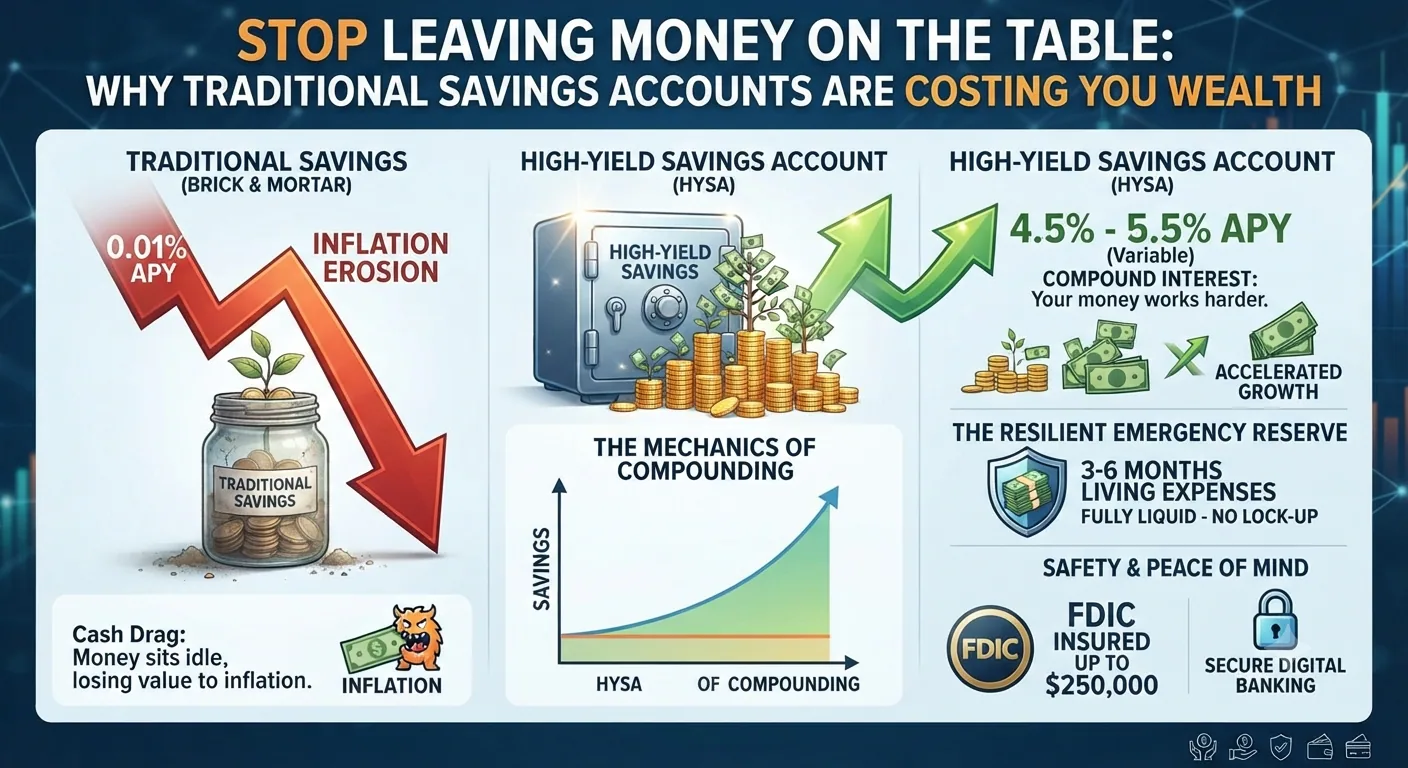
Stop Leaving Money on the Table: Why Traditional Savings Accounts Are Costing You Wealth

Harvest of Glass: The Bitter Civil War Splitting Midwestern Farming Towns Over Solar Leases